Sunday 13 April, right in the middle of cherry blossom season, I found a small event that I couldn't stop thinking about.
The Nerima Wine Festival, held to mark ten years since Tokyo Winery — the first winery in Tokyo — opened in Nerima ward.
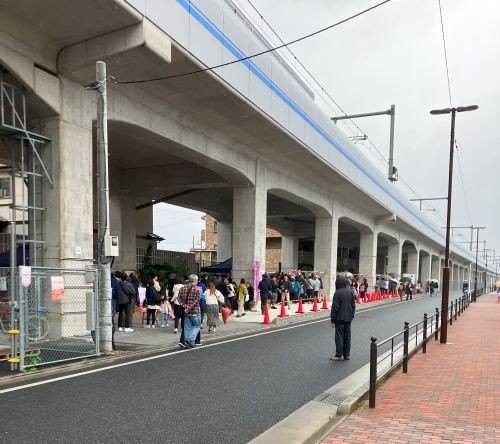
The venue was "PLAY! Kokashita Hiroba," an eight-minute walk from Shakujii-koen Station on the Seibu line. Even on a map it looked tight, small-scale. But I liked that. It meant you might actually get to talk to the people who make Japanese wine, and drink at your own pace. The big Tokyo events are frantic, no time to talk to anyone, and I don't enjoy them.
It rained. I assumed that would keep people away, but when I got there the place was busy — and honestly, thank goodness for the rain. Doors were at twelve; I arrived at one, and wines and food were already selling out. They hadn't brought much. By the time I left at three, almost every wine was gone. Anyone who turned up in the afternoon must have been gutted.
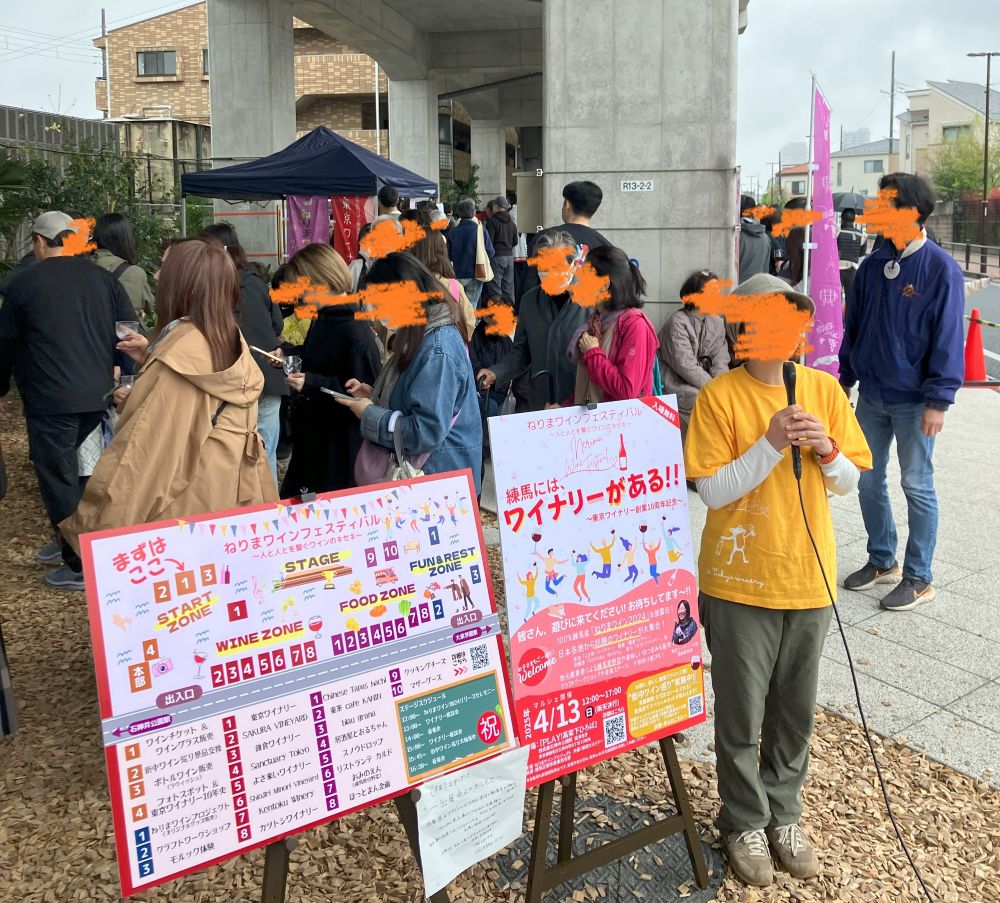
You buy tickets and a glass, then pay at each stand with tickets. Ten tickets for ¥1,000. A plastic glass was ¥100, a real one ¥1,000. I took the plastic — I didn't want to carry glass home.

Sakura Vineyard
The winery from Chiba I'd been most curious about. Partly because I hadn't known Chiba had wineries at all, partly because 2023 was their first vintage and they are brand new, and partly because it was April — cherry blossom season, and their name is Sakura.
40ml for six tickets is a little steep, and I hesitated, but the first glass of the day was:
SAKURA Saku BLANC 2023

Their first release of a white. Fermented with wild yeast and, I think, not heavily filtered — the flavour of the grape comes through strongly. Slightly hazy in the glass, in the natural-wine manner.
Pineapple volume, with a citrus freshness alongside it. Fermented on the skins? There's a small tannic grip, and it works well. It exits cleanly on the finish.
They also make an ORANGE, a ROSÉ and a PINOT NOIR, all in tiny quantities for now — if you're curious, buy from the site above.

I wandered around with the first glass still in my mouth. Crowded, and a lot of things sold out. Such a shame. I hope they run it again next year, ideally with a bit more room. Space in Tokyo is expensive, so no one should overreach — but I'd like more chances like this to enjoy Japanese wine.
And then a classically dressed label caught my eye.
Kentoku Winery

Yama Sauvignon 2024
A pale, pretty red; fresh red berries on the nose.
Light tannins, a nimble fruitiness. Small sweet cherries, a suggestion of nuts. The acidity is clearly there without being loud, and the whole thing is compact in the best sense. It tastes Japanese without ever feeling like it's missing something. Easy to drink and good. Concentrate and you find a little earth, mushroom, tanned leather at the edges.
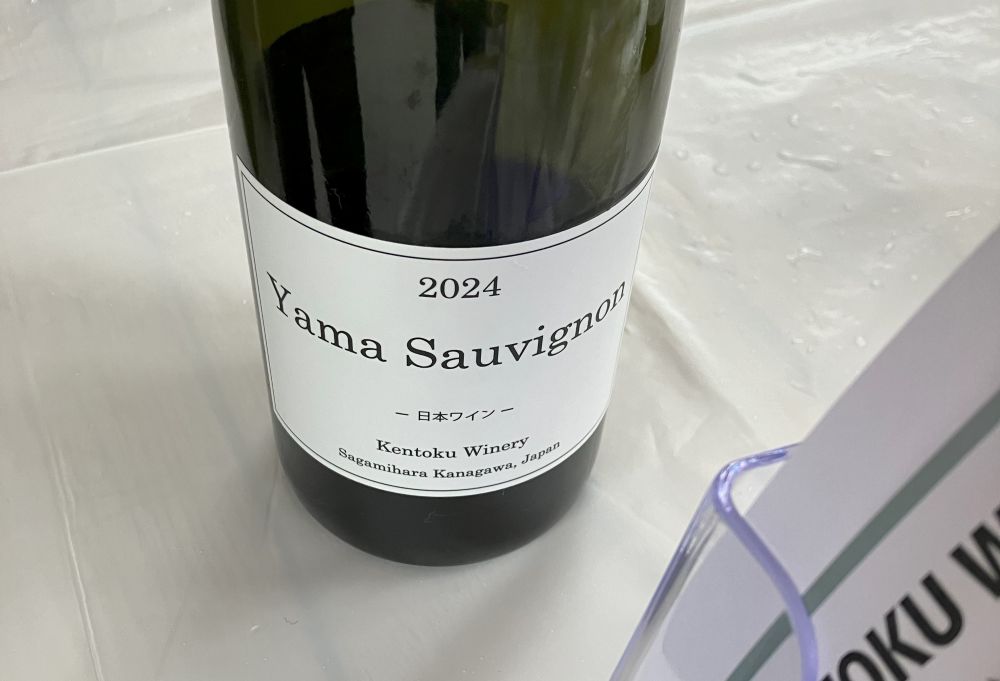

The bottle has it, and so does the wine: a Burgundian sort of poise. I liked it enormously.
The winery is in Sagamihara, Kanagawa. People are making wine there too, it turns out. The site sketches the history, but I want to know what the weather does year by year, what the soil is, what it means that this is flat land rather than hills, which grapes they grow, how they decide when to pick each year. All of it. Because the wine was good.
With that in my head, it was time for the star of the festival.
Tokyo Winery
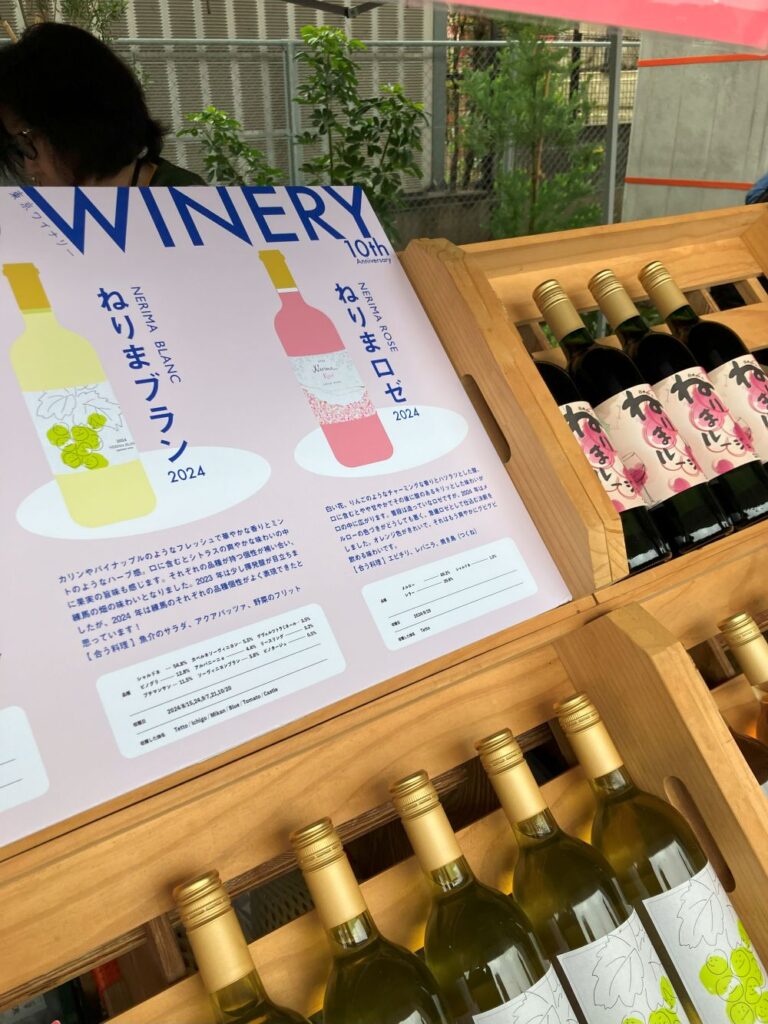
Nerima Rosé 2024
Rosé doesn't get drunk much in Japan, which is a pity, because it's a genuinely good format.
Light enough to open a meal as an aperitif; carrying a little of both white and red, so it balances against almost any dish through dinner; and refreshing enough to finish on when you're tired of drinking.
As for this one: the nose was restrained — maybe I was already tipsy, maybe it was the cold, but I couldn't get much. The palate has young white peach, peach skin, orange, and some tropical fruit like mango. Firm acidity, nothing cloying. Nothing sticks its head above the rest, but it's a rosé you don't get bored of. Nicely done.

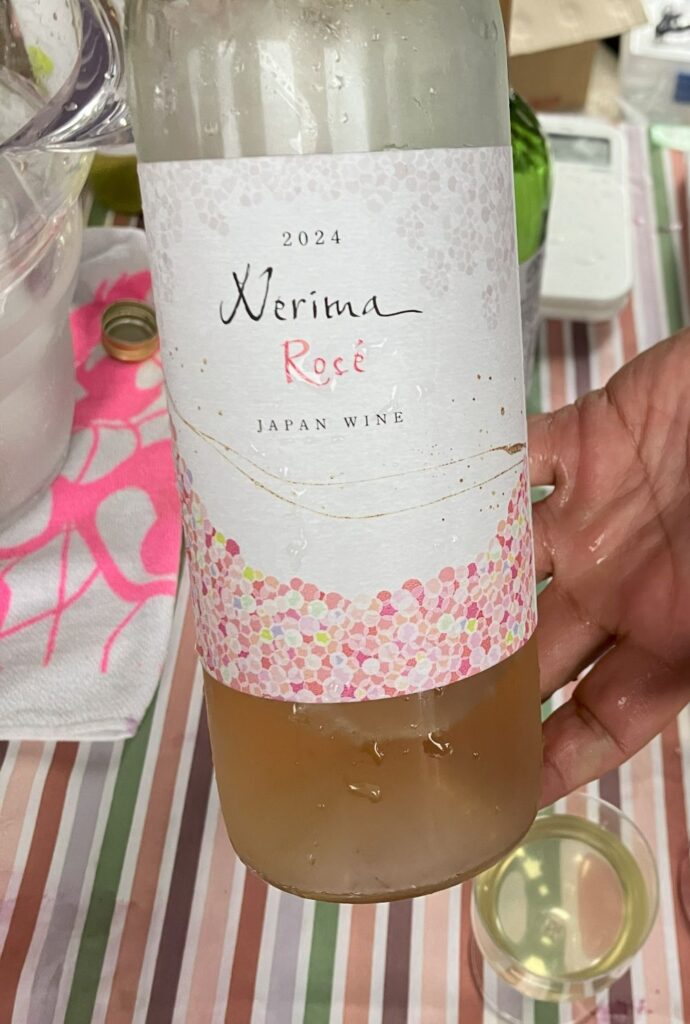
It was just before two and the place was heaving, with queues at every stand still selling.
Most stands were run by one or two people, so if they start explaining a wine the queue stops moving — a hard position to be in, and there's not much to be done about it. But you do want to ask. How is Japanese wine actually made here? Do the people making it drink wine from other countries?
Next:
Shiojiri Minori Vineyard
@shiojiri.minori.vineyard on Instagram
From Shiojiri in Nagano, one of Japan's famous wine districts. Another new winery — 2023 was their first vintage too.
Minori Blanc
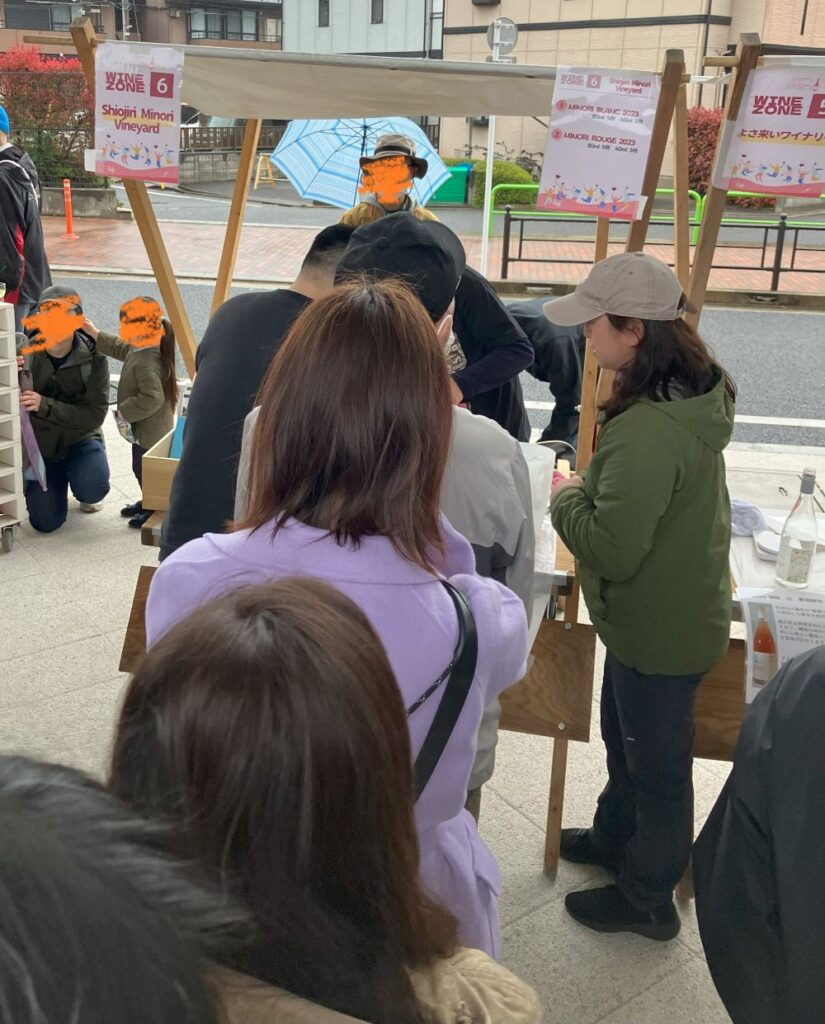

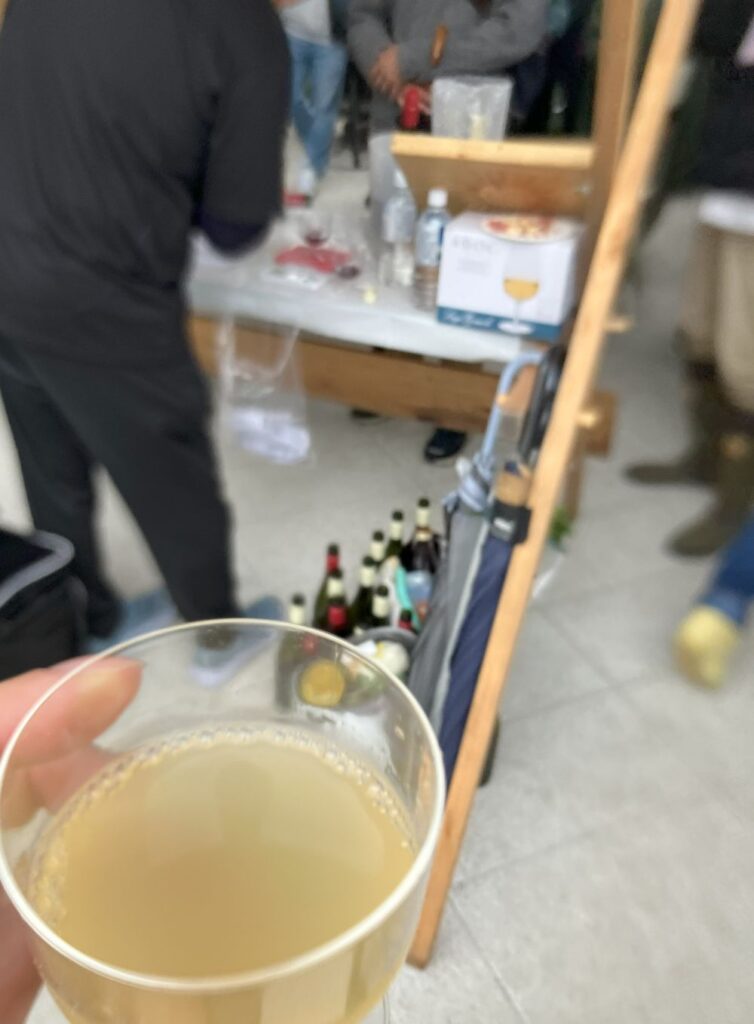
Unfiltered. Not much on the nose. Plenty of haze towards the bottom of the bottle. A prickle of white pepper, a bittersweet kumquat note, fresh lemon and citrus fruit. Volume and concentration — it makes you think of grapefruit put straight through a blender. Juicy.
The last of my tickets went on:
Kamakura Winery
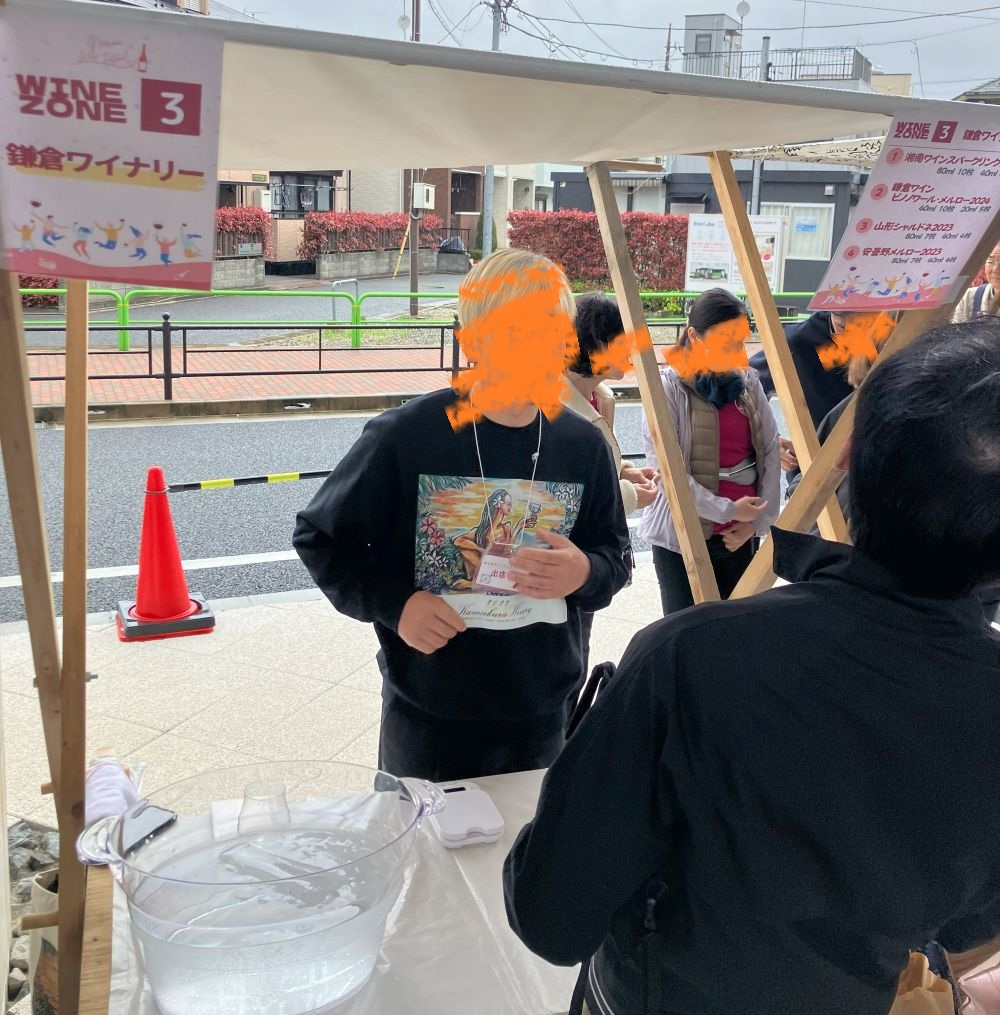
Azumino Merlot 2023
Wild-yeast fermentation. My first impression was surprise at how firmly put together it is. Abundant tannin, smoke, a cigar note — it makes you want to lean in and taste harder. I wanted to know more about this wine. Drinking it feels like standing inside a bass line: substantial, and comfortable. Good. The finish clears the way a mint drop does.
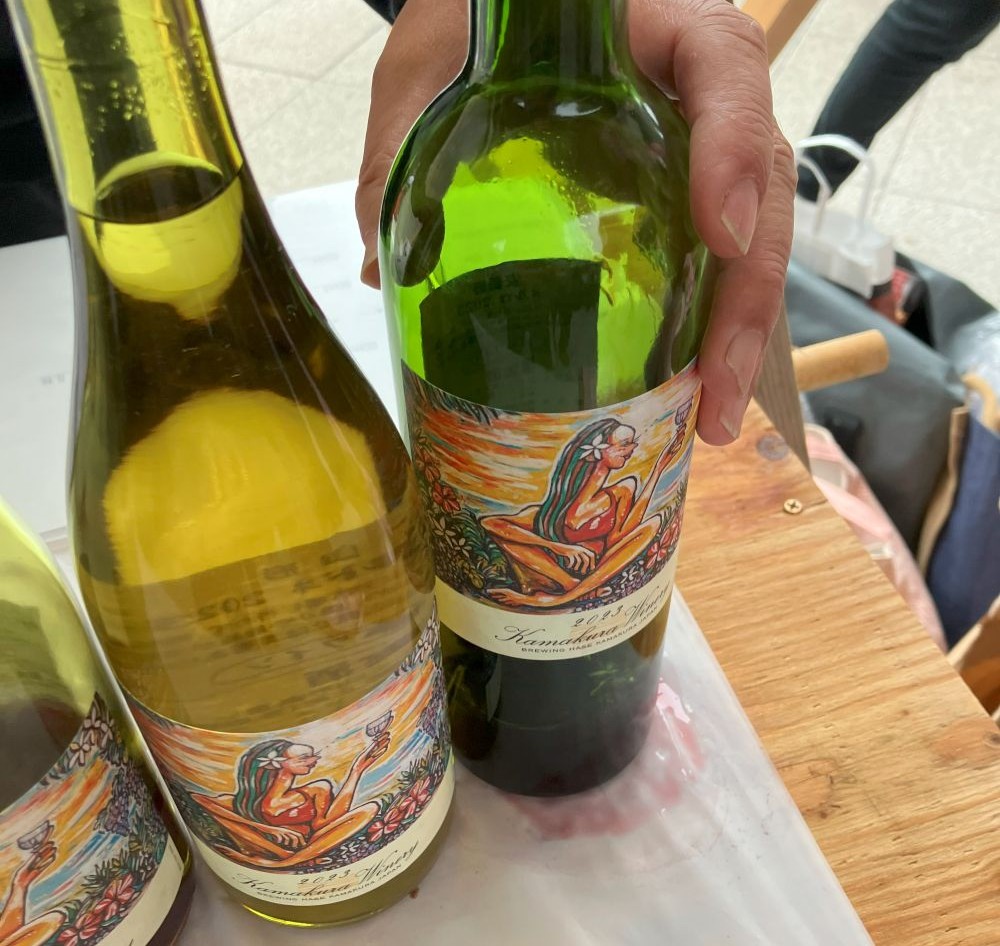

Classical and strong. If more wine of this quality gets made, the way the world looks at Japanese wine is going to change.
2023 was apparently a good year for Azumino Merlot. I'm grateful to staff who find a moment for that kind of detail while they're rushed off their feet. A good year, plus a wild fermentation that went well — that's probably the answer. The quality genuinely impressed me, and I want to taste the 2024 when it appears.
There were food stands too, talks, live music — plenty of ways to spend the day. The weather was against us and everyone crowded into the dry parts, so it was tight. But that mattered less than the wines I got to meet. A happy afternoon.
※ The Nerima Wine Project site that carried the full exhibitor list has since gone offline. For wine events across Japan, LoveWine keeps a prefecture-by-prefecture calendar (in Japanese).
This is the English edition of an article first written in Japanese. 日本語版はこちら.